 Splitting Image Hardscapes Get a Free Estimate Splitting Image Hardscapes Get a Free Estimate
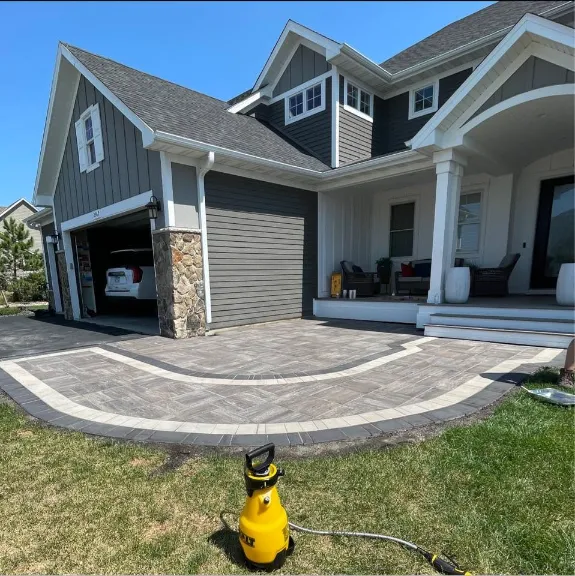
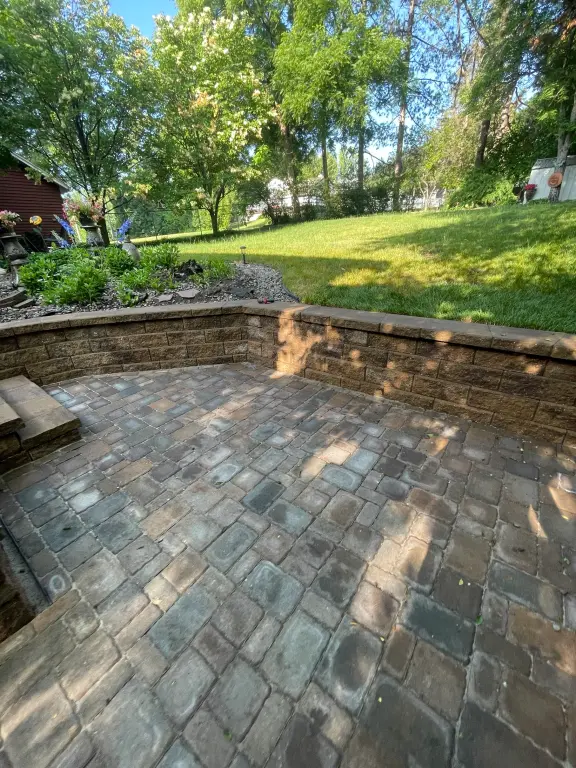
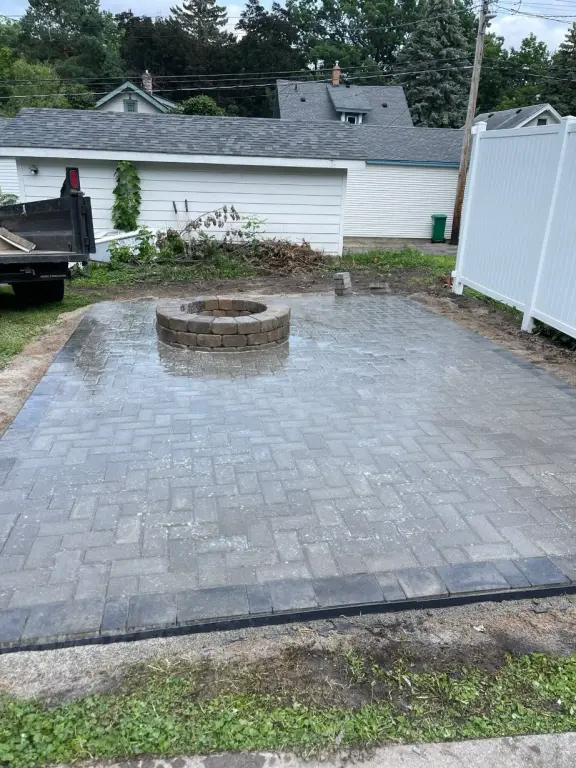
 Transform your property with custom patios, retaining walls, outdoor living spaces, and premium hardscape installations designed for lasting beauty, functionality, and curb appeal.
From concept to completion, we design and build outdoor spaces that enhance your property's beauty, value, and everyday enjoyment.
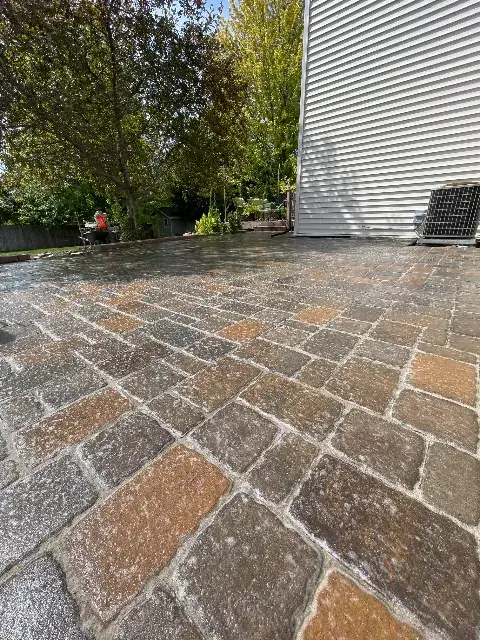
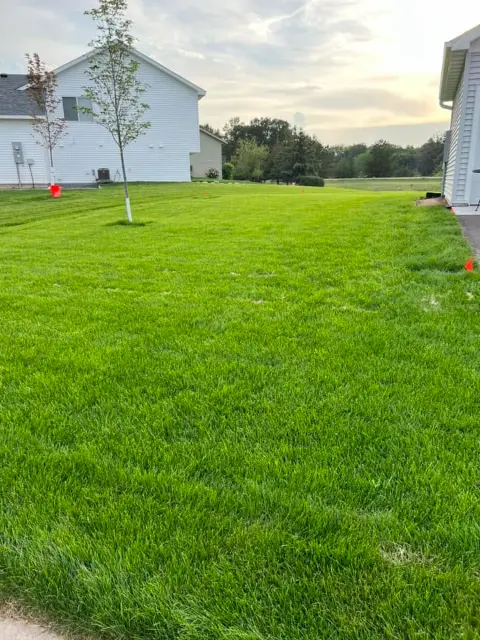
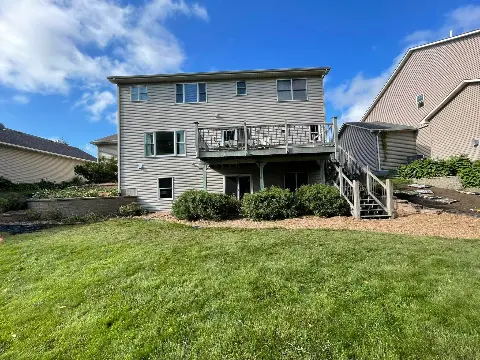
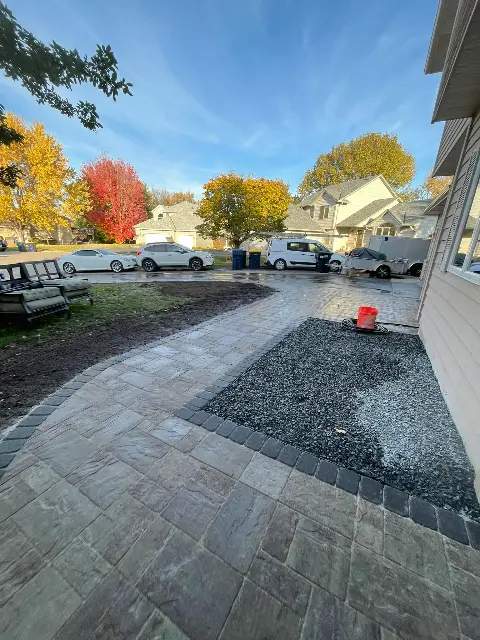
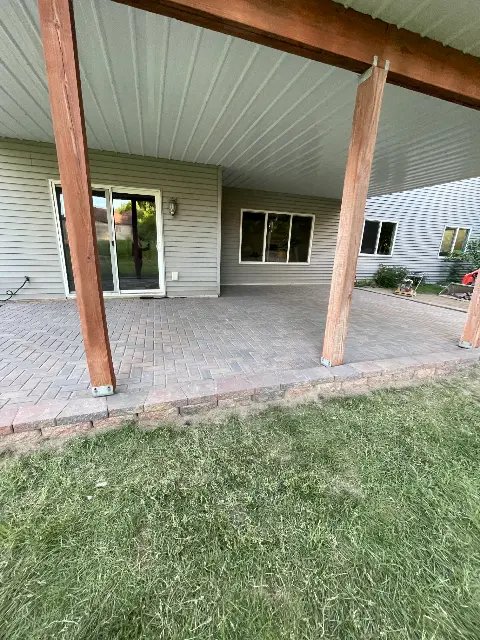
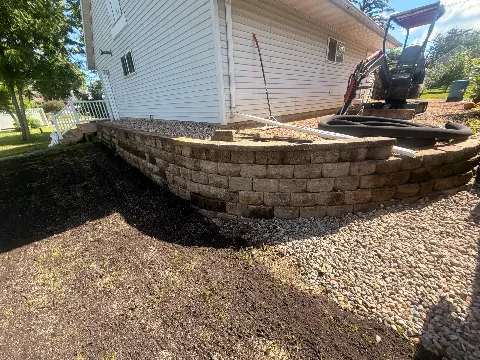
Real projects. Real results.
Serving Waconia and surrounding areas.
Ready to get started? We'd love to hear from you.
Proper grading is the first line of defense, but for consistent, long-term results we install NDS drain boxes under every gutter downspout. Paired with a pop-up drainage system and rigid PVC piping (rather than corrugated drain tile, which clogs and crushes over time), this setup channels water efficiently away from your foundation and prevents pooling near your home.
Absolutely — it's one of the most important, and most overlooked, parts of any hardscaping project. Without proper drainage, water can build up behind retaining walls, leading to bowing, cracking, or eventual failure. Under pavers, poor drainage causes settling, shifting, and erosion of the base material. A well-designed drainage plan protects your investment and keeps your hardscaping looking great for years to come.
It depends on your local jurisdiction, as well as the size and height of the project. Many municipalities require a permit for retaining walls above a certain height (often 3–4 feet) or for hardscaping that affects drainage, property lines, or structural load. We handle the permitting process and ensure every project meets local code requirements.
Both are great options, and the right choice depends on your priorities. Pavers offer more design flexibility with colors, patterns, and textures, they're easier to repair individually if damaged, and they tend to handle ground movement and freeze-thaw cycles better. Concrete typically has a lower upfront cost and a cleaner, more uniform look, but repairs often mean patching or replacing larger sections, and it's more prone to cracking over time. We're happy to walk through your specific project, budget, and style preferences to help you decide which option is the best fit.
A retaining wall is an engineered structure built to hold back soil and resist lateral pressure, typically used on sloped properties to create level areas, prevent erosion, or support a raised patio or driveway. A garden wall, by contrast, is primarily decorative — it might define a planting bed or add visual interest, but it isn't designed to bear the load of retained earth. Because retaining walls deal with significant structural forces, they require proper engineering, base preparation, and drainage behind the wall to perform safely over time.